Finding Zapata
In the 1960s, a group of neighborhood friends formed Zapata — one of Washington, DC's first integrated Black and Latino rock music groups. Their fusion of rock with soul, Latin, and jazz styles promoted unity and cultural exchange across the city and helped establish a youth subculture that would influence future generations.
This is their story.
Establishing Roots
Early 1960s in Mount Pleasant
Immigrants from Latin America had been establishing a presence in Washington since the early 1940s. By 1960, roughly 10,000 Spanish-speaking individuals were living in DC — more than triple the community's share of the population a decade earlier (McMahon, 2025) — and they were forming communities in neighborhoods like Mount Pleasant and Adams Morgan. The city was still segregated at the time, and Latinos faced discrimination from both Black and white residents alike. As the decade unfolded, young Latinos were struggling to find their place in a divided society and America's binary racial system.
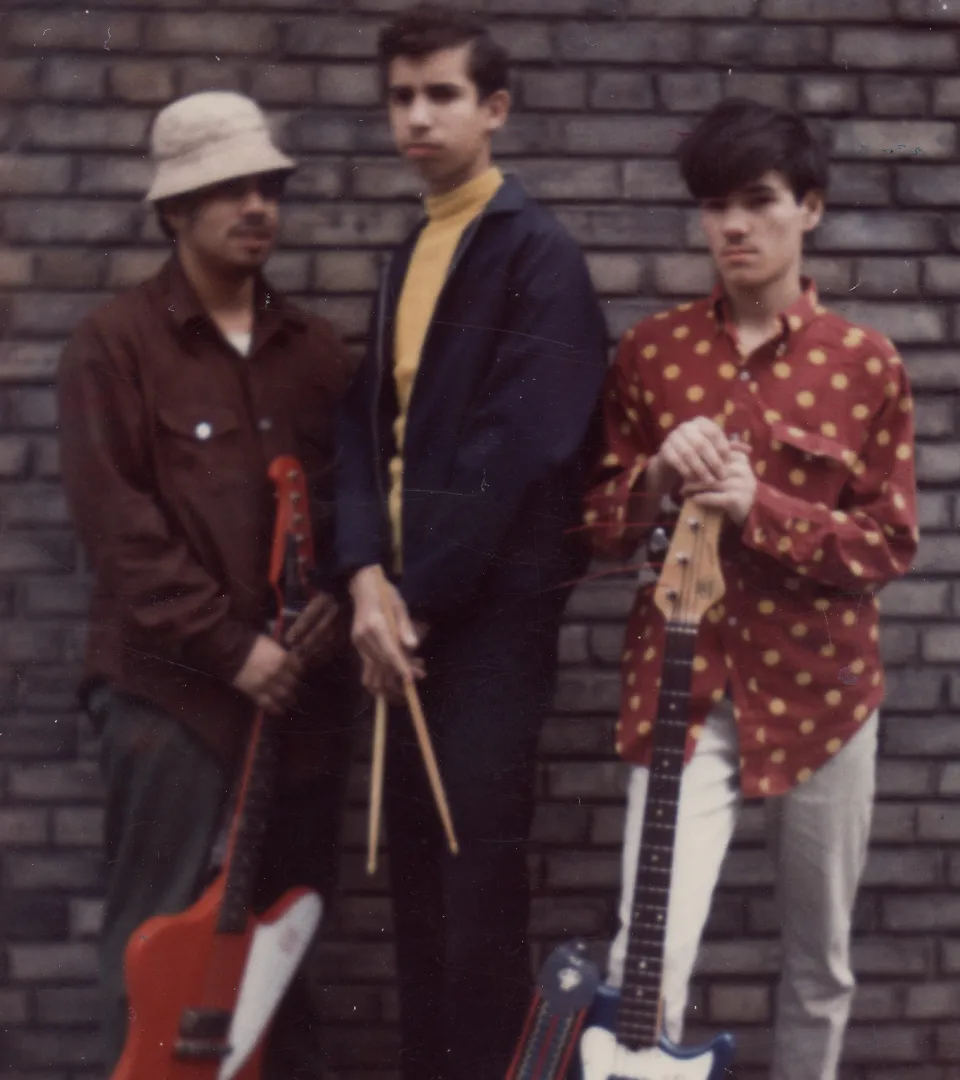
Against this backdrop, three teenagers started playing music together in Mount Pleasant. Childhood friends Ernie Herrera, Rudy Morales, and Pepe González performed in the neighborhood — hosting shows for their friends in basements, garages, and community centers. Drawing influences from popular soul and rock music, they mixed these genres with their parents' cultural traditions to forge a unique sound that would later become Zapata.
"Mount Pleasant was a rough place in those times, you might walk into the neighborhood and get robbed, beat up, or both."
— Pepe González, Zapata
The Outlaws
Creating a rebel identity as a means of survival
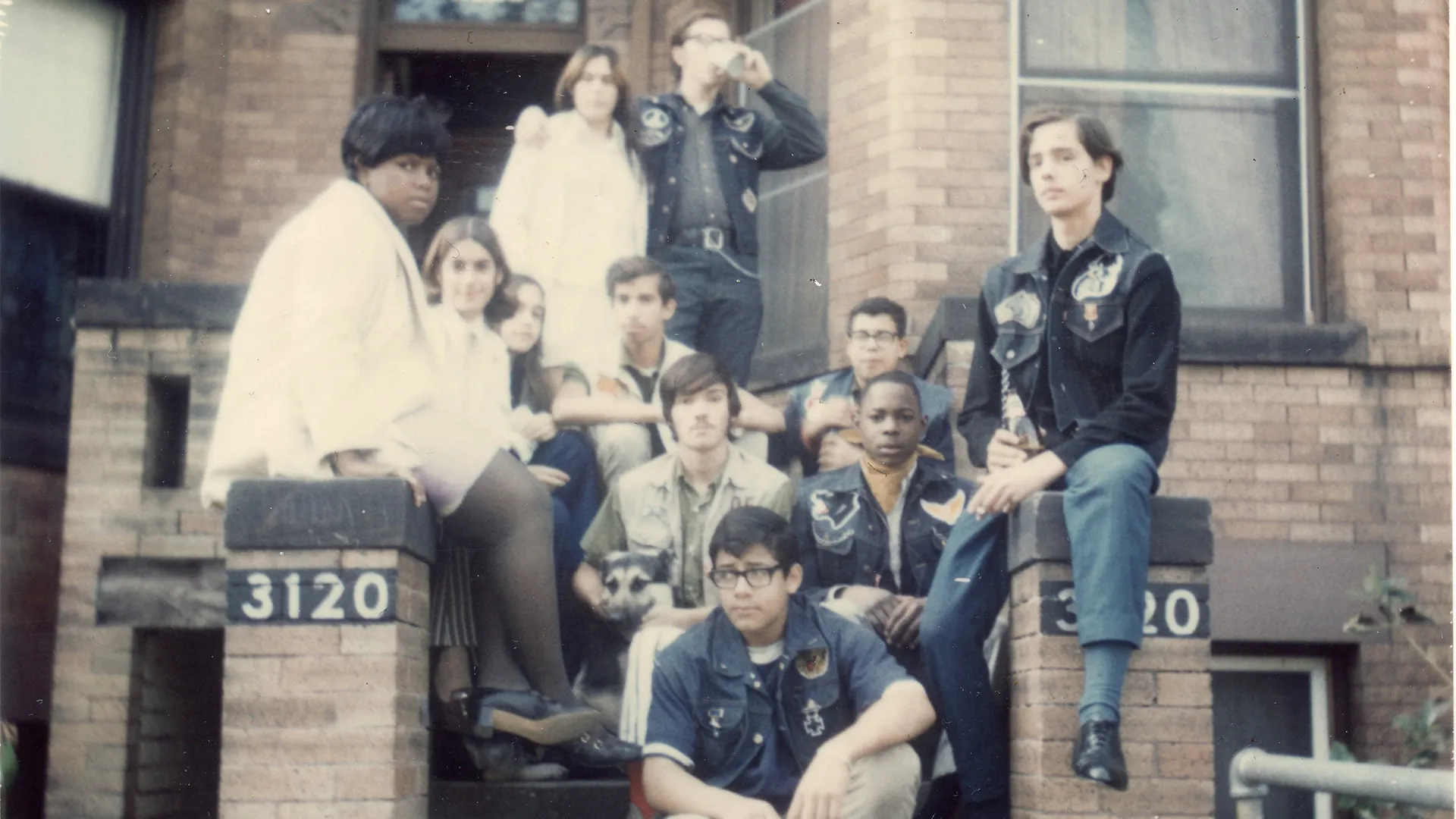
Rudy, Ernie, Pepe, and their friends seemed to find trouble wherever they turned in DC. Facing harassment from the police, biker gangs, racist Washingtonians, or other rival groups of teens, they adopted a street mentality and gang identity (The Outlaws). Decked out in denim jackets customized with gang insignias, they painted graffiti on walls, drank in the alley, used and sold drugs, and acted like knuckleheads as a form of self-preservation.
While their anti-social behaviors and self-destructive mindset reflected the social norms and popular culture of the era, America was quickly changing. The Civil Rights Movement and resistance to the Vietnam War had awakened a new revolutionary consciousness in the youth, and this new awareness was spreading, promising to uplift communities and transform society. If the Latino community in DC was going to be a part of this post-riot transformation toward a better future, it would require new ways of thinking and acting for teenagers like the Outlaws and their friends.
There's Something Happening Here
Expanding consciousness and new perspectives
At the turn of the decade, the rebel identity of the Outlaws crew had evolved into a more positive and creative expression. They began to see themselves as artists, activists, and musicians, not gangsters. They realized that their music could be used as a platform for social change and cultural expression in their new band: Zapata.
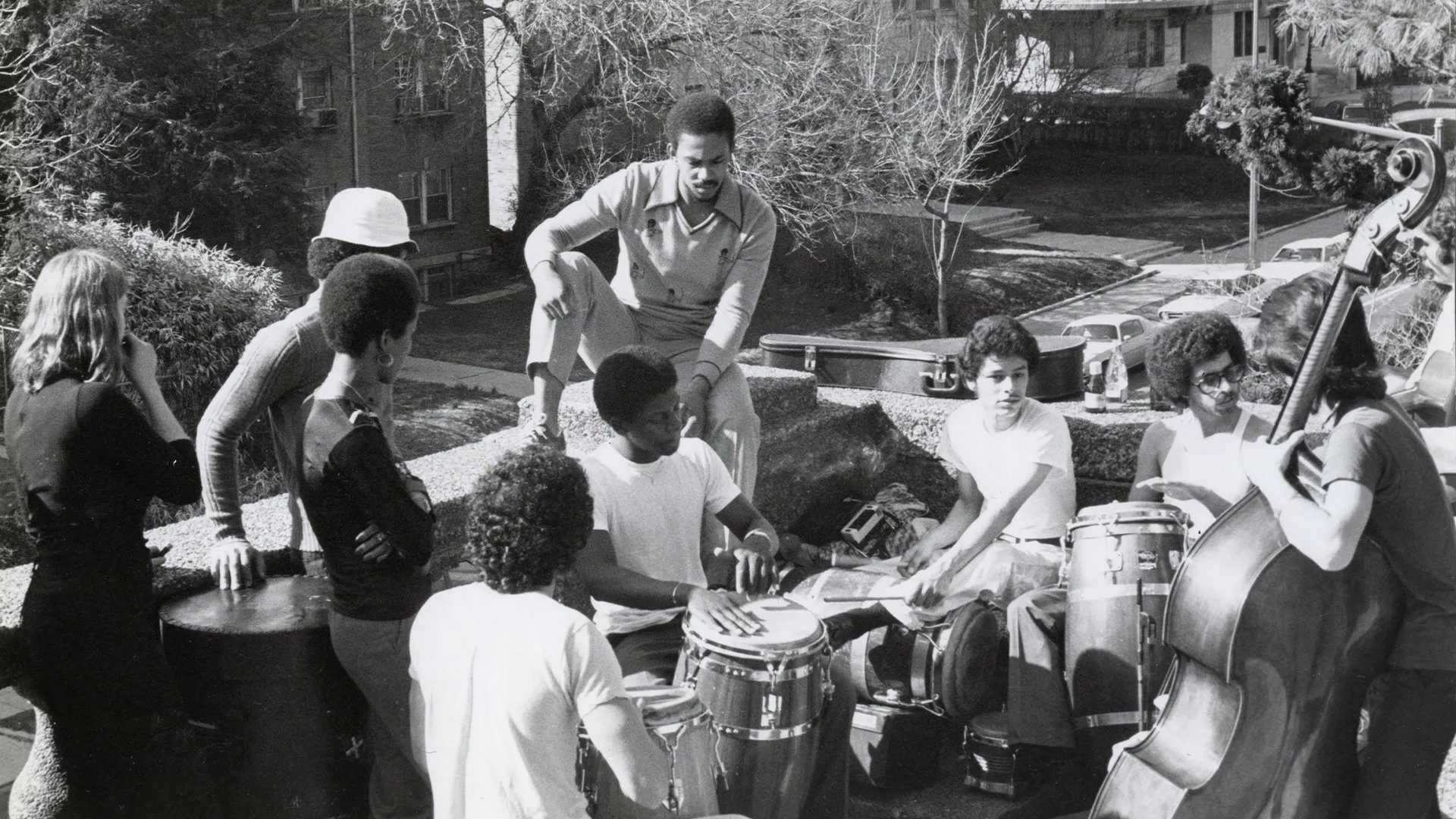
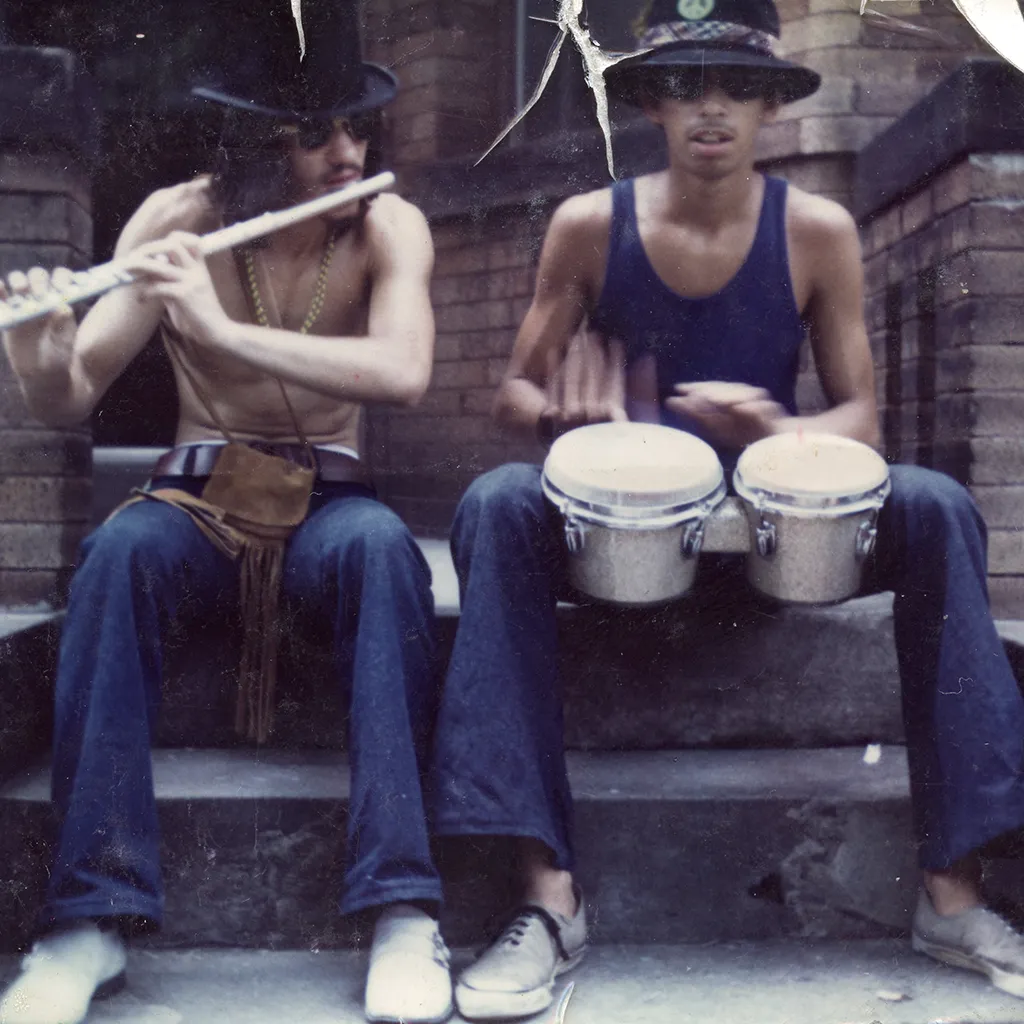
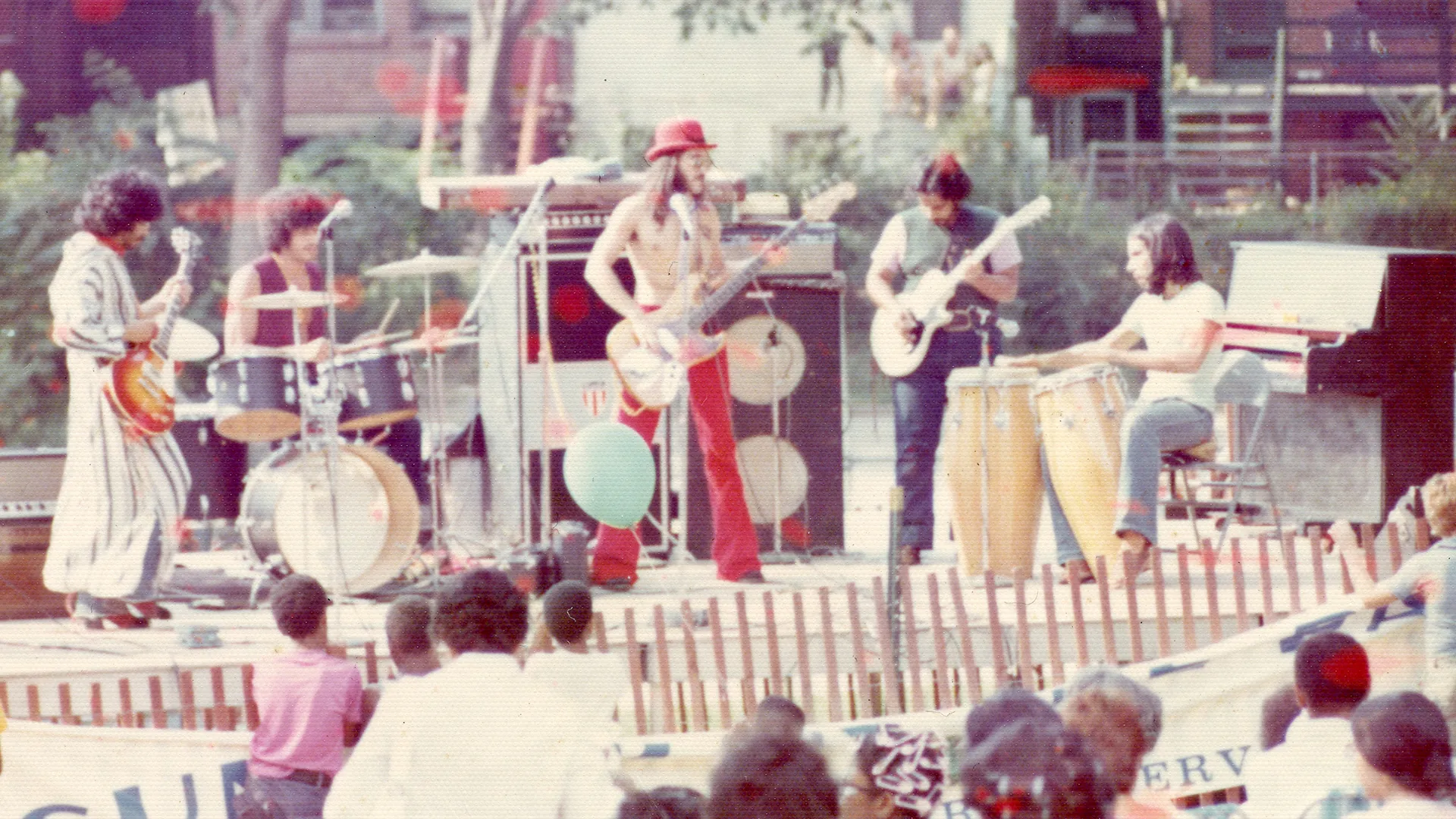
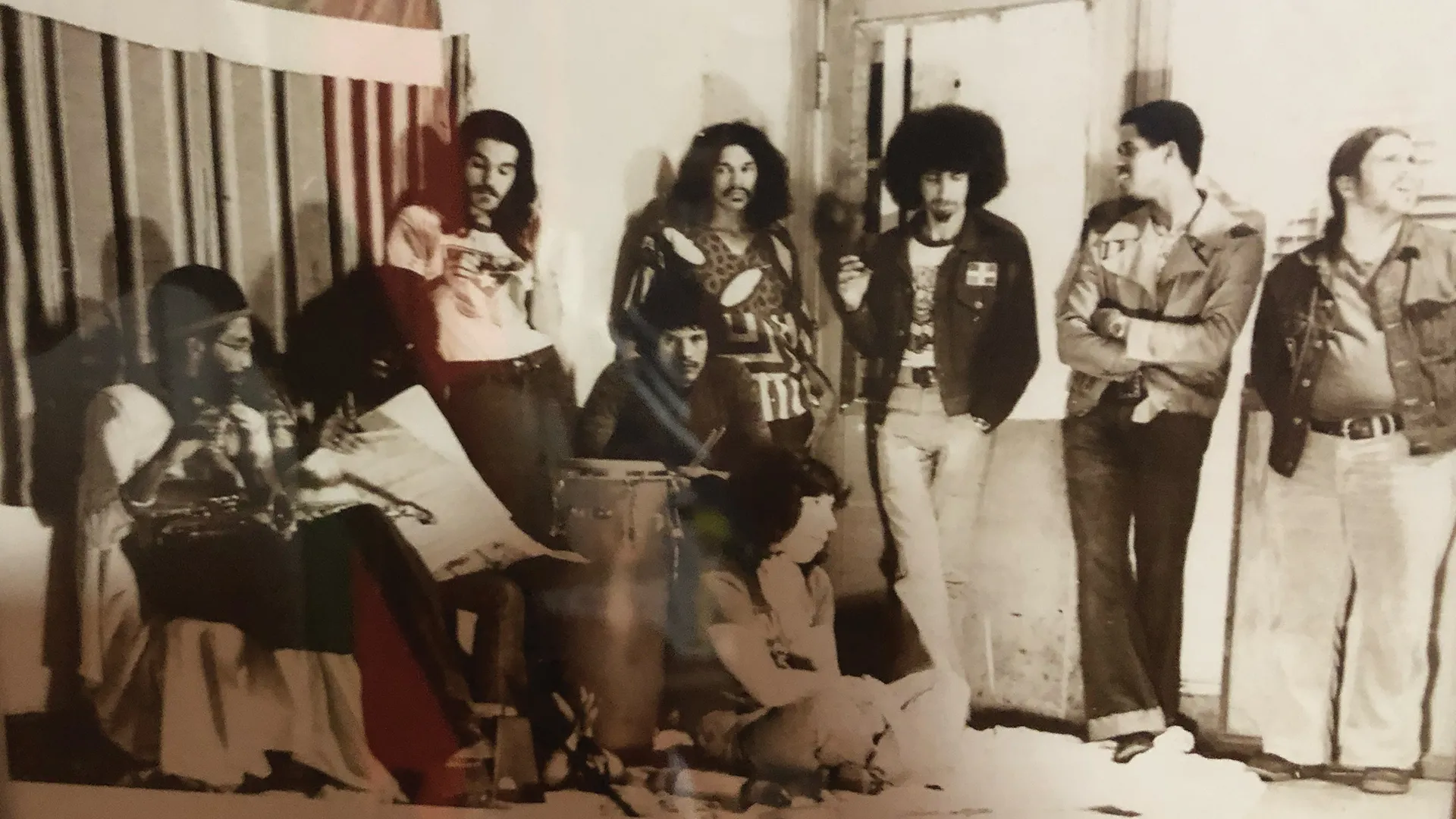
The original trio added new members including Eduardo Africano on drums, Ernie's brother Miguel Herrera on guitar, Mike and Tony Duncanson on congas and bongos, and Mosheesh Akbar on saxophone and flute. They experimented with new sounds, instruments, and styles to draw inspiration from the music of the era. They also embraced the counterculture values of peace, love, and unity, and used their music to promote these ideals in the community. It was this shift in consciousness that created the conditions for Zapata to make their mark on the DC music scene.
Zapata through the years
From Rebel to Revolutionary
Embracing a new identity and purpose as Zapata
The group was searching for a new band name and they looked to revolutionary leaders for possible inspiration. Latin American Communist icons like Fidel Castro and Che Guevara were suggested, but there were debates over ideology, dogma, and revolutionary tactics. Eventually the group chose to honor Emiliano Zapata, a Mexican revolutionary leader who fought for social justice and land reform.
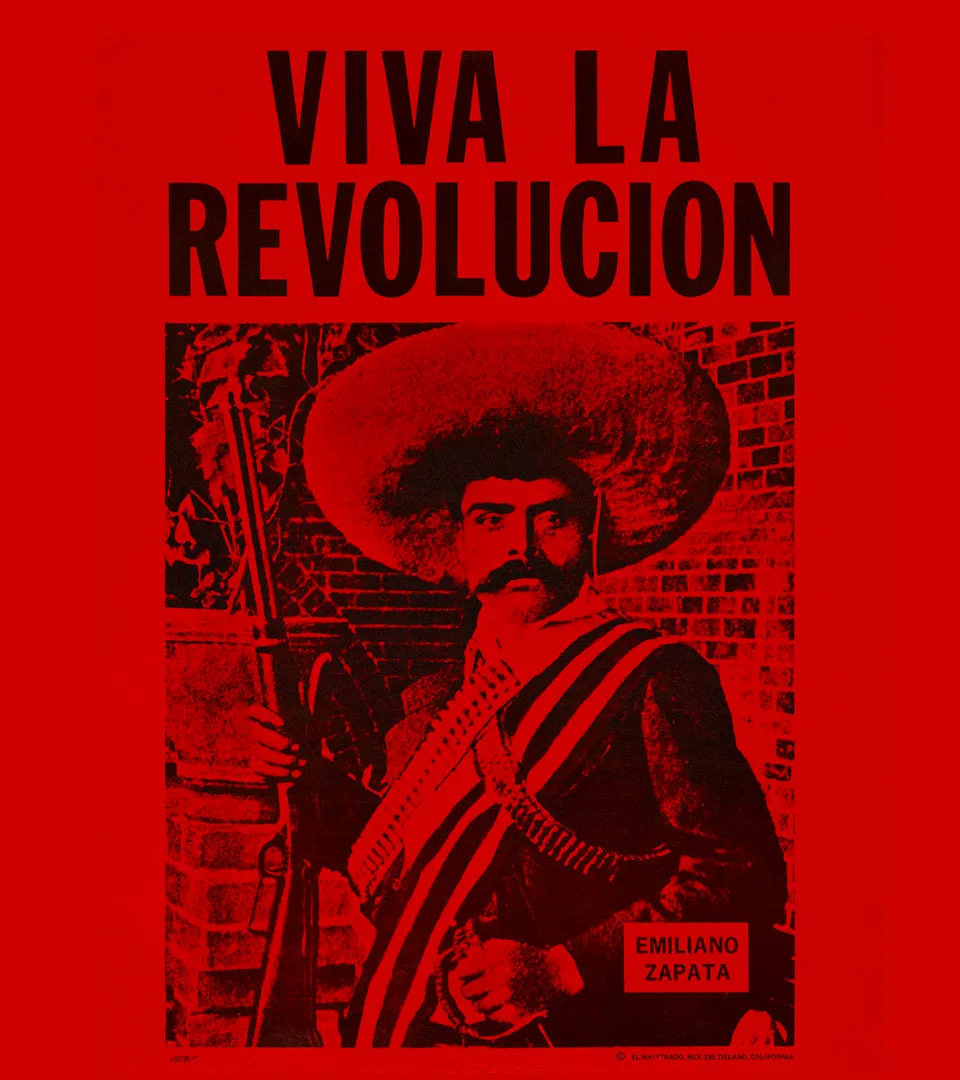
It is better to die on your feet than to live on your knees!
— Emiliano Zapata (c. 1877-1919), widely attributed
Finding Success in the 1970s
Zapata's unique sound resonates with audiences across the city
The band's reputation helped them expand from neighborhood venues to larger stages across the city. They frequently played at community events, nightclubs, and college campuses, bringing their high-energy performance to diverse audiences. During this period, they shared stages with acts such as Weather Report, Ramsey Lewis, Stanley Turrentine, The Isley Brothers, Redbone, and others.
In some sections of DC, Black audiences were often at first skeptical and somewhat hostile to these "spics" from the barrio; however, as soon as the music started, the beats took over and a cultural exchange took place. By featuring timbales, congas, and bongos on funk and soul grooves, Zapata helped bridge cultural divides and expand the city's sonic palette.
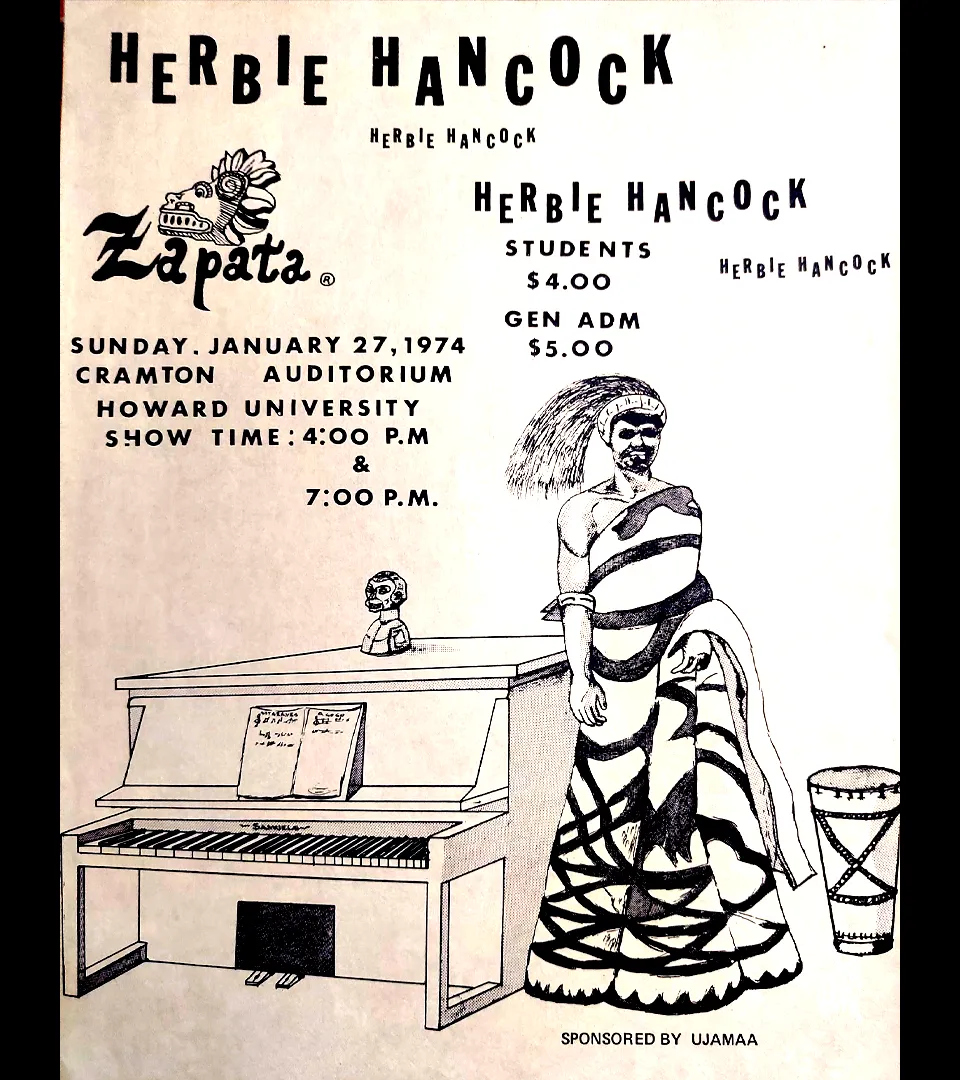
Zapata Poster Collection
A 1973 show in Birmingham, Alabama opening for Sly and The Family Stone gave Zapata exposure beyond DC and a glimpse of life on the road as a national act. This pivotal show would prove to be the band's apex as events soon unfolded that would redirect their trajectory.
Help us preserve the collection
Purchase the album on Bandcamp and please contribute additional funds to support our efforts to restore and preserve this collection of vintage posters.
Purchase on BandcampCoda:
Losing everything but you can still go back home
From 1971 to 1974, the band was busy playing live shows and recording an album that they hoped to someday release with a major label. The recordings were kept in the possession of the band's manager, Chief Slow Riser, who was responsible for keeping them safe. After a falling out with his girlfriend, she left his belongings on a street corner and within hours, everything was gone, lost forever.
By the summer of 1974, Zapata was done. Lives were moving apart and the spark of innovation catapulted them in different musical directions. Rudy, Ernie, and Pepe later reunited for a one-off project with Paul Sears called Magick Theatre in 1976, but the members of Zapata eventually went their separate ways. Some returned to the street life and others performed as professional musicians around the world.
Pepe is the remaining living member of the original Zapata lineup and still lives in DC where he is a professional musician, educator, and archivist. Learn more at Zangano Music.
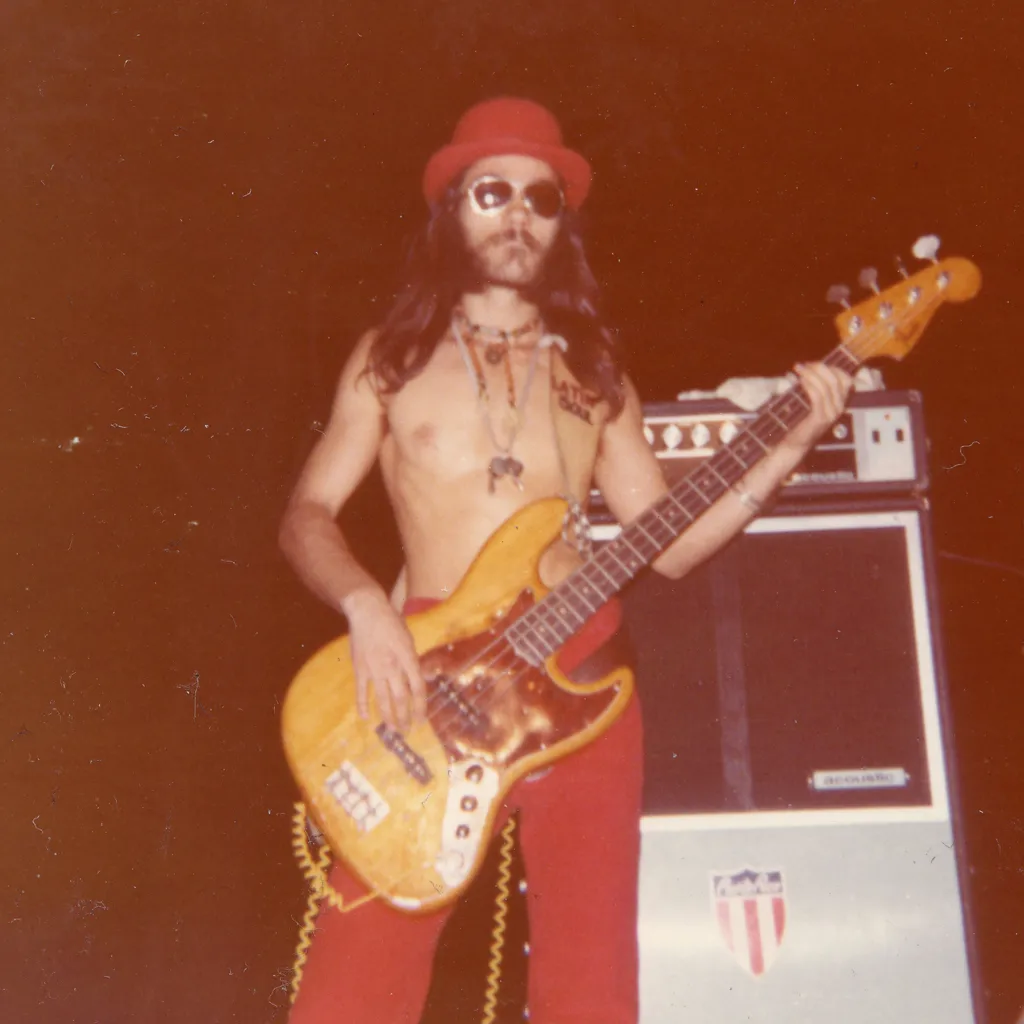
Earlier this century, Pepe discovered a cassette tape from a studio session that Zapata recorded in 1971. He had it transferred to CD but the low quality of the recording didn't do any justice for the band's legacy. In 2024, he entrusted the CD to one of his students, PJ Urquilla, who began the process of preserving the recording data.
This version was carefully remastered by Don Zientara and TJ Lipple in 2026 to preserve the original sound while enhancing clarity and detail to remove imperfections. Thanks to modern audio technology and the help of some experts, we are now able to finally share the music of Zapata with the world.
We hope you enjoy this piece of music history and the unique sound of DC's latinidad in the early 1970s.
Purchase The Lost Tape on BandcampCredits & Sources
- Zapata Logo: Eduardo Africano
- Photographs, Flyers & Posters: The Archives of Pepe González
- Mount Pleasant Map: DC Historic Preservation Office
- Historical Context: The History of the Latino Community of Washington, DC 1943-1991
- Additional Background Information and Digital Archives: Spanish Joe Remembers — A short film by Sami Miranda and Ellie Walton
- Viva La Revolución Poster: John A. Armendariz, courtesy of the National Museum of American History
- Studio Console Photograph: Caught In Joy on Unsplash
Acknowledgments
A heartfelt thank you to Pepe González for his invaluable contributions and keeping the history and memory of Zapata alive. Thank you for preserving and sharing your archives as well as your stories.
To the members of Zapata & the Outlaws, as well as your friends and families, thank you for your creations and contributions to DC culture. To those who have passed, may you rest in peace and your memory be a blessing.
To Sami Miranda and Franc Rosario: thank you for believing in this story, passing it down, and inspiring me to restore this important piece of DC cultural history. To Don Zientara and TJ Lipple, thank you for your work in remastering this recording. I am incredibly honored to collaborate with you all on this project.
To the incredible people of Washington, DC, thank you for being you and making this city and its culture great.
—PJ Urquilla, Upset the Setup